
“The garden suggests there might be a place where we can meet nature halfway
From Vision to Regulation: The Crucial Journey of Professionalizing Landscape Architecture in Kenya
Imagine two projects side by side in a rapidly developing Kenyan county. One is a lush, thriving residential complex that manages its own stormwater, cools the air, and provides a sanctuary for residents and local birds alike. The other is a stark, paved compound prone to flooding, contributing to the urban heat island effect. The difference often boils down to one critical factor: the informed involvement of a licensed, professional Landscape Architect.
In Kenya, the practice of shaping our outdoor environments is at a turning point. As the Society of Landscape Architects of Kenya (SLAK), our mission extends beyond promotion—it is fundamentally about professionalization. This means establishing the frameworks that ensure Landscape Architecture is practiced ethically, competently, and recognized as a non-negotiable component of national development.
Why Professionalization is a National Imperative
Landscape Architecture directly addresses Kenya’s Big Four Agenda and Vision 2030 through food security (agro-ecological design), affordable housing (sustainable site planning), and environmental conservation. However, without a regulated profession, we risk:
-
Inconsistent Quality: Unqualified practitioners can lead to ecological damage, costly failures in infrastructure, and public spaces that do not serve community needs.
-
Missed Opportunities: The absence of a strong, recognized profession means our voice is missing in critical policy and planning discussions, leading to developments that are less resilient, sustainable, and beautiful.
-
Stifled Growth: Talented Kenyan designers may seek opportunities abroad where the profession is clearly defined and valued.
The SLAK Roadmap: Building the Pillars of a Recognized Profession
Our work is methodically focused on creating an ecosystem where the profession can thrive and serve Kenya best. This involves three key strands of action:
1. Collaborating with Educational & Regulatory Bodies
We are actively engaging with commissions for university education and professional licensing. Our goal is to help define and accredit standardized curricula that produce graduates who are creative thinkers, ecological experts, and technical masters. Simultaneously, we are advocating for a clear licensing and registration framework. This protects the title “Landscape Architect,” ensuring that anyone practicing meets rigorous educational and experiential benchmarks, much like engineers or architects.
2. Facilitating a Culture of Excellence and Exchange
Professionalism is nurtured through continuous learning and peer review. SLAK builds this culture by:
-
Hosting Continuous Professional Development (CPD) seminars on cutting-edge topics like sustainable drainage systems (SuDS) for arid areas or indigenous plant palettes.
-
Creating forums for local and international knowledge exchange, connecting Kenyan practitioners with global trends and innovations.
-
Developing best practice guidelines and ethical standards specific to the Kenyan context.
3. Representing Kenya on the Global Stage
Professional recognition is both local and international. By representing Kenyan Landscape Architecture in forums like the International Federation of Landscape Architects (IFLA), we do two vital things: we bring world-class insights and standards back to Kenya, and we showcase Kenyan talent and innovation to the world. This elevates the entire profession and attracts positive global attention to Kenya’s development story.
The Ripple Effect of a Professional Body
When Landscape Architecture is a regulated profession, the benefits cascade across society:
-
For the Public: Assurance that public projects are designed for safety, sustainability, and social value by qualified professionals.
-
For Clients & Developers: Confidence that their investment is guided by expertise, reducing long-term risks and enhancing project value and marketability.
-
For the Environment: A guarantee that ecological principles are applied by trained individuals, protecting Kenya’s natural capital.
-
For Practitioners: A clear career path, peer support, and the pride of belonging to a valued and respected discipline.
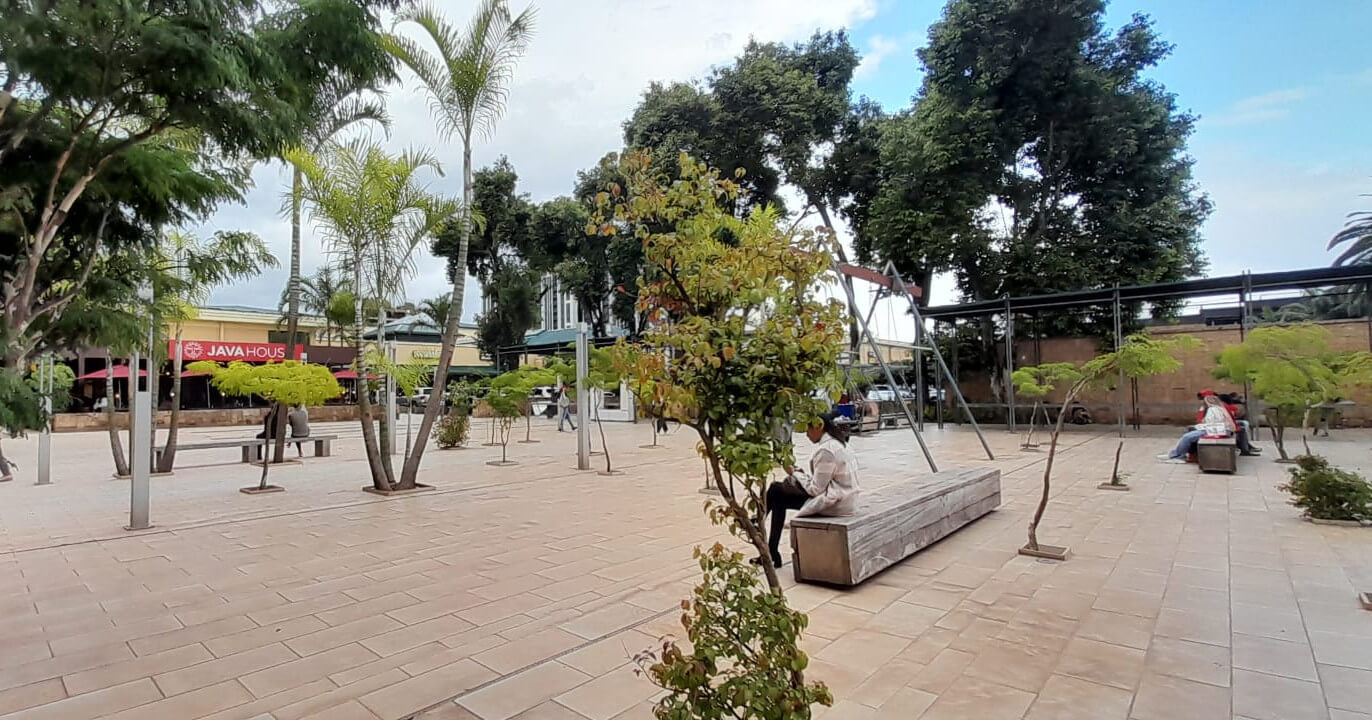
We shape our buildings; thereafter they shape us.
Join Us in Shaping the Standard
The journey to a fully recognized profession is a collaborative one. We invite:
-
Graduates and Practitioners to join SLAK, add your voice, and help build the community.
-
Allied Professionals in architecture, engineering, planning, and environmental science to seek out collaborative partnerships with our members.
-
Policymakers and County Officials to engage with us as you draft green codes, urban design policies, and environmental management plans.
Professionalizing Landscape Architecture isn’t about creating an exclusive club. It’s about safeguarding Kenya’s future by ensuring that the hands shaping our land are skilled, accountable, and visionary. It’s about turning our collective vision for a sustainable Kenya into a regulated, reliable reality.
Together, let’s build the profession that builds Kenya.
#ProfessionalStandards #LandscapeArchitectureKE #SLAK #BuiltEnvironment #SustainableDevelopment #KenyaVision2030 #RegulationForProgress